Get More Clients with Elite Marketing

Are you in the market for more clients? I’ve been hearing from a lot of designers that they are now focusing on their branding and marketing strategies, coming up with an ongoing process that allows them to have a consistent funnel of clients.

We have become well-known in the interior design industry, and while a lot of our clients are looking for assistance with the below, we ALSO offer a variety of marketing services!

Our Popular Services

  • 3d renders

  • drafting

  • construction docs

  • sourcing

  • administrative

  • online business management

  • bookkeeping

  • copywriting

  • social media

Our Marketing Services:

  • marketing strategy

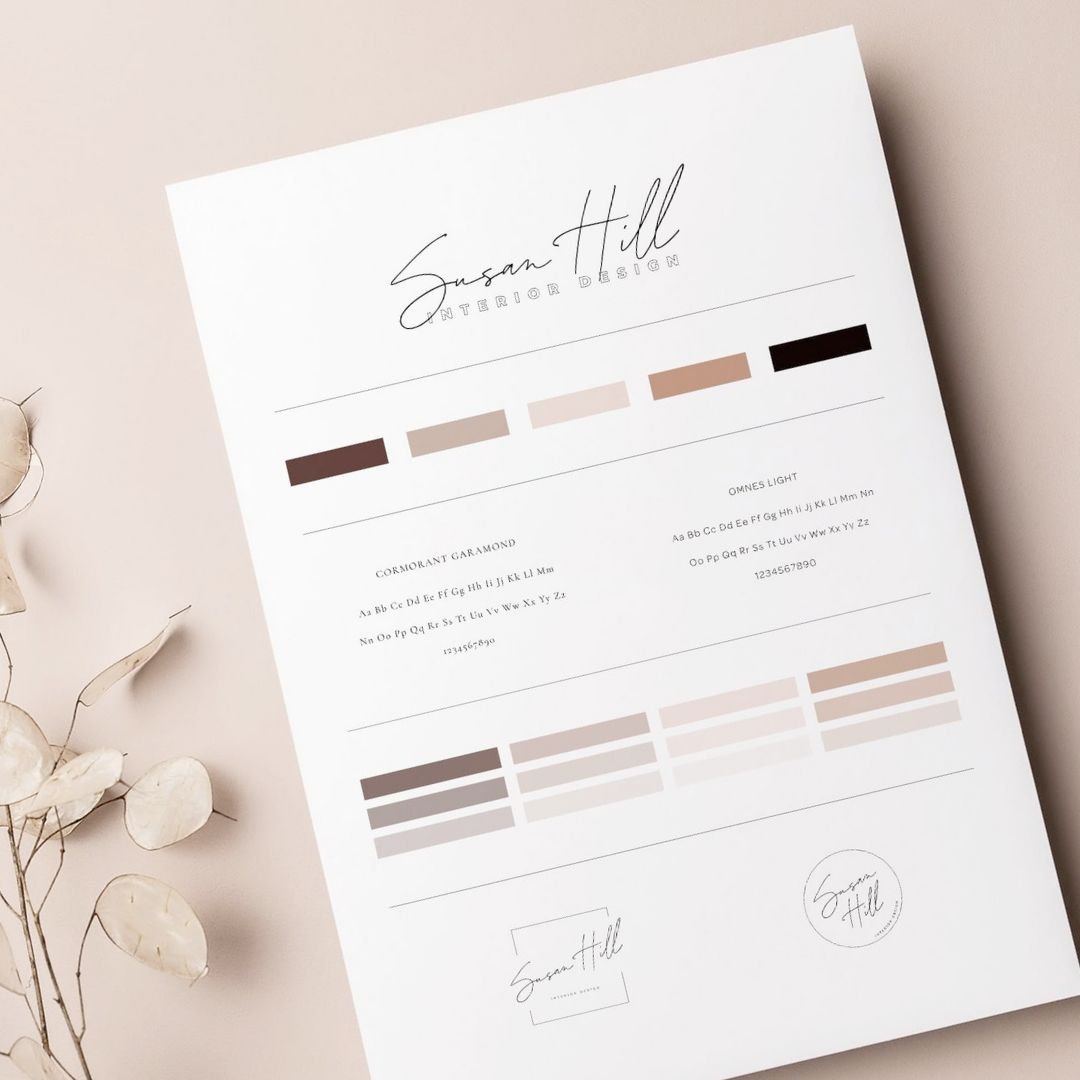
  • branding

  • creating logos

  • web design (Squarespace, Wix, White Label WordPress)

  • graphic design

  • e-commerce

  • SEO

  • advertising

  • influencer marketing

Our virtual assistants have several years of experience with these services. We are noticing an increased demand for marketing services and the great news is, we can help! So, whether you are a new interior designer needing marketing and branding or an established designer who is rebranding and/or needs marketing assistance, please let us know.

We can get you in contact with one of our marketing experts for complimentary calls so that you can determine if our services are right for you!

For more information on those services and some of the experts on our team that offer these services, please see the portfolio section of our website with the link below.

VIEW OUR PORTFOLIO OF SERVICES

 xx, Danae

Unwind by Design: Exploring the Role Interior Design Plays in Relaxation

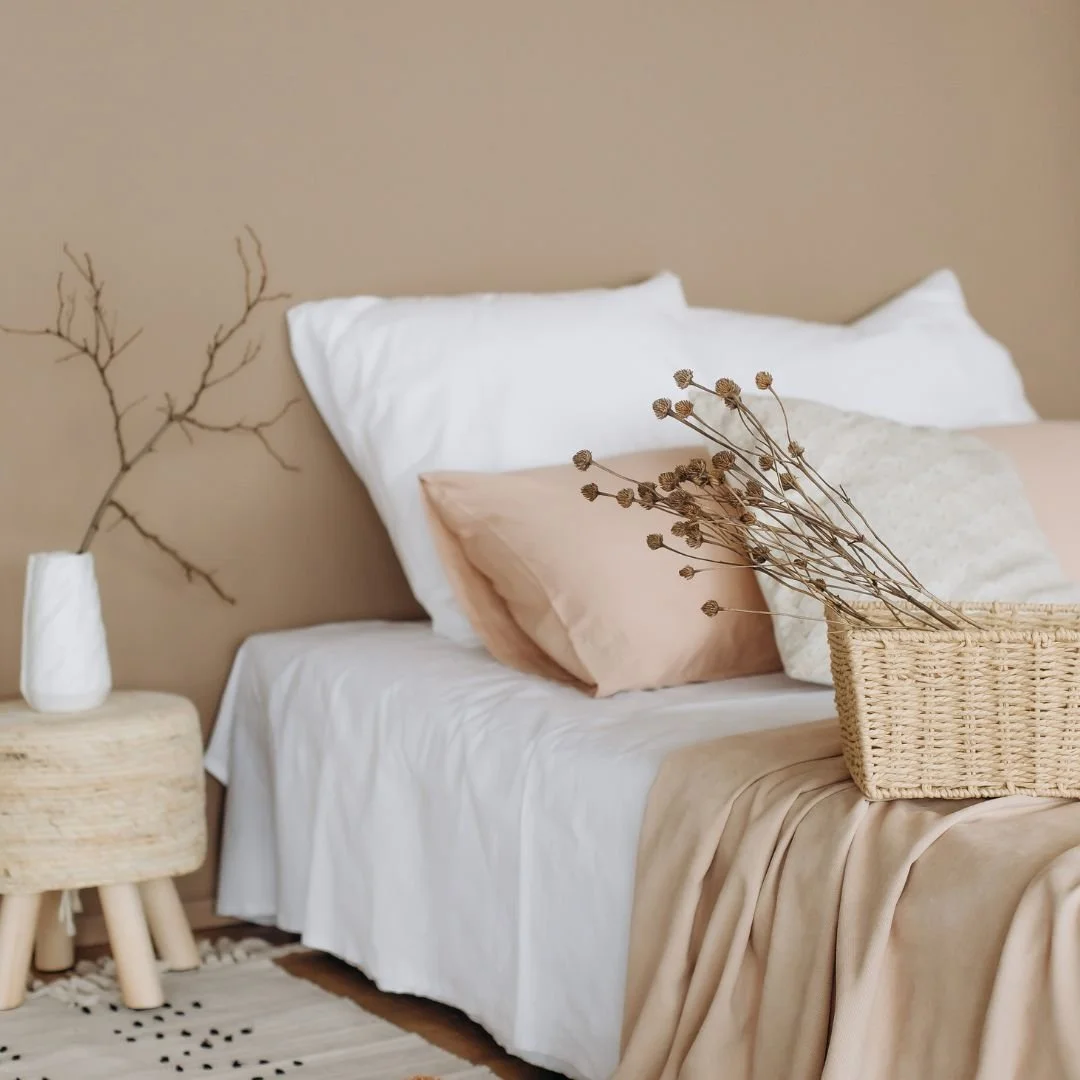
Finding moments of relaxation in our hectic lives is essential for our well-being. As interior designers, we have a unique appreciation for the power a space has to influence our mood and mindset. Beyond creating visually stunning environments, we have the opportunity to design spaces that promote relaxation and comfort, allowing people to unwind and rejuvenate amidst the chaos of everyday life.

The Role of Design in Relaxation:

Designing for relaxation goes beyond aesthetics; it involves thoughtful consideration of layout, lighting, color, texture, and functionality. Each element plays a crucial role in creating an environment that fosters a sense of calm and serenity.

  • Creating Comfortable Retreats: One of the primary goals of interior design is to make spaces feel inviting and comfortable. This means selecting furniture, fabrics, and accessories that not only look beautiful but also feel great to the touch. Plush sofas, cozy throws, and soft pillows can transform a room into a sanctuary where you can unwind after a long day.

  • Harnessing the Power of Nature: Biophilic design, which incorporates elements of nature into the built environment, has been shown to reduce stress and improve overall well-being. Introducing natural materials such as wood, stone, and plants into your designs can evoke a sense of connection to the outdoors, helping to create a peaceful and grounding atmosphere.

  • Balancing Light and Shadow: Lighting plays a crucial role in setting the mood of a space. Soft, diffused lighting can create a warm and inviting ambiance, while gentle shadows can add depth and dimension. Incorporating dimmer switches, candles, and natural light sources allows for greater control over the lighting environment, enabling you to adjust it according to your mood and needs.

  • Promoting Flow and Movement: Clutter and congestion can disrupt the flow of energy within a space, leading to feelings of stress and unease. By designing rooms with clear pathways and functional layouts, you can promote a sense of harmony and relaxation. Thoughtful space planning and organization solutions ensure that each area of the home serves its purpose without overwhelming the senses.

The Importance of Mindful Design:

Mindfulness has gained widespread recognition as a powerful tool for managing stress and promoting mental well-being. Mindful design embraces the principles of mindfulness, encouraging us to approach the design process with intention, awareness, and compassion.

  • Sensory Design: Mindful design engages all the senses, creating spaces that not only look beautiful but also feel, sound, and even smell harmonious. Paying attention to how different materials, textures, and sounds interact can enhance the overall sensory experience and create a deeper connection to the space.

  • Embracing Simplicity: Minimalism is a key tenet of mindful design, advocating for simplicity, clarity, and purposefulness in our surroundings. By decluttering our homes and eliminating unnecessary distractions, we can create environments that promote calmness and clarity of mind.

  • Cultivating Gratitude: Mindful design encourages us to cultivate an attitude of gratitude for the spaces we inhabit. Taking the time to appreciate the beauty and functionality of our surroundings can foster a greater sense of contentment and fulfillment in our daily lives.

As interior designers, we have the privilege and responsibility to shape the environments in which people live, work, and play. By embracing the principles of relaxation and comfort in our designs, we can create spaces that not only delight the eye but also soothe the soul. Whether it's through the careful selection of materials, the thoughtful arrangement of furniture, or the incorporation of biophilic elements, each decision we make has the power to enhance the quality of life for those who inhabit our spaces. So, let’s embrace the role interior design plays in promoting relaxation and comfort, and create environments that nurture and inspire us to unwind, rejuvenate, and thrive.

xx, Danae

5 Common Mistakes Interior Designer Make and How to Bounce Back From Them

Like any creative profession, the interior design business comes with a learning curve where trip-ups are just part of the journey. The truth is that so many designers have been there, so the important thing is to learn from our missteps, bounce back, and avoid them in the future. If you’ve found yourself stumbling through some of these, don’t worry! Here’s how to rebound from five typical interior design mistakes and set your practice up for smoother sailing.

1. Cutting into Your Earnings to Maximize Client’s Budget

Mistake: It can be tempting to lower your fees or choose cheaper solutions to stretch the client’s budget further, potentially at your own expense.

Bounce Back: You may be able to fairly mark up other lower ticket items at a higher percentage while remaining true to the agreed budget to compensate a bit. And if it’s the client who keeps pushing boundaries, it might be time to sit down and revisit the budget and scope together. If you’ve already taken a hit on a project, chalk it up to experience. Next time, factor in your desired markup right from the start, so you know the real budget you have to work with for client costs–and stick to it!

2. Skimping on Quality

Mistake: Trying to save some pennies by choosing less expensive materials or furniture can end up disappointing your clients — and they might need replacements sooner than expected.

Bounce Back: Take the time to chat with your clients about the value of paying a bit more for quality that lasts and looks fantastic long-term. It’s all about helping them understand that an investment now can save headaches later. Plus, setting a minimum quality standard for your projects will help you always source from reliable suppliers.

3. Not Tracking Your Time

Mistake: If you’re not keeping an eye on how many hours you’re pouring into a project, you might end up undercharging and overworking.

Bounce Back: It’s never too late to start! Begin tracking your time now, even if it’s midway through a project. Begin with the basics, logging hours per project. As you get the hang of it, break your time down by task within each project. This not only helps with accurate billing but also gives you invaluable insights into managing your time more effectively.

4. Having a Short, Vague Contract

Mistake: A contract that’s too brief can leave too much up in the air, leading to miscommunications and project scope creeping out of control.

Bounce Back: If you’re mid-project and things are getting muddled, try clarifying terms now — many clients appreciate the initiative. For future projects, team up with a legal expert to craft a contract that covers all the bases clearly and comprehensively. This will keep both you and your client on the same page from the get-go.

5. Starting and Stopping Too Many Initiatives

Mistake: You’re trying to stay up to date with industry trends. But frequently changing business strategies or marketing efforts can result in wasted resources.

Bounce Back: Take a step back and evaluate what’s worked and what hasn’t. Stick to one or two new strategies at a time and give them a chance to work before you tweak them. Crafting a solid, long-term business strategy and committing to it will help ensure your efforts are cohesive and impactful. Give each new marketing or business initiative enough time to show results.

Remember, each hiccup is a stepping stone to becoming a better designer, and things are only looking up from here. Keep up the fantastic work—you’ve totally got this!

xx, Danae

A Mini Morning Marketing Session for Interior Designers

Let's face it - marketing might not be your forte. It's tough to navigate the promotional world when your passion lies in creating beautiful spaces. Therefore, we wanted to take a little time this morning to share a few insights on easy ways to effectively market your design business and share some great resources and tools tailored specifically to help interior designers like you with marketing. Ready to dive in?

Building Your Portfolio:

Your portfolio is your visual resume and a great tool for attracting clients. Showcase your best work in a professionally curated portfolio that highlights your design aesthetic, creativity, and attention to detail. Invest in high-quality photography to capture your projects in their best light and consider creating a digital portfolio website to showcase your work online.

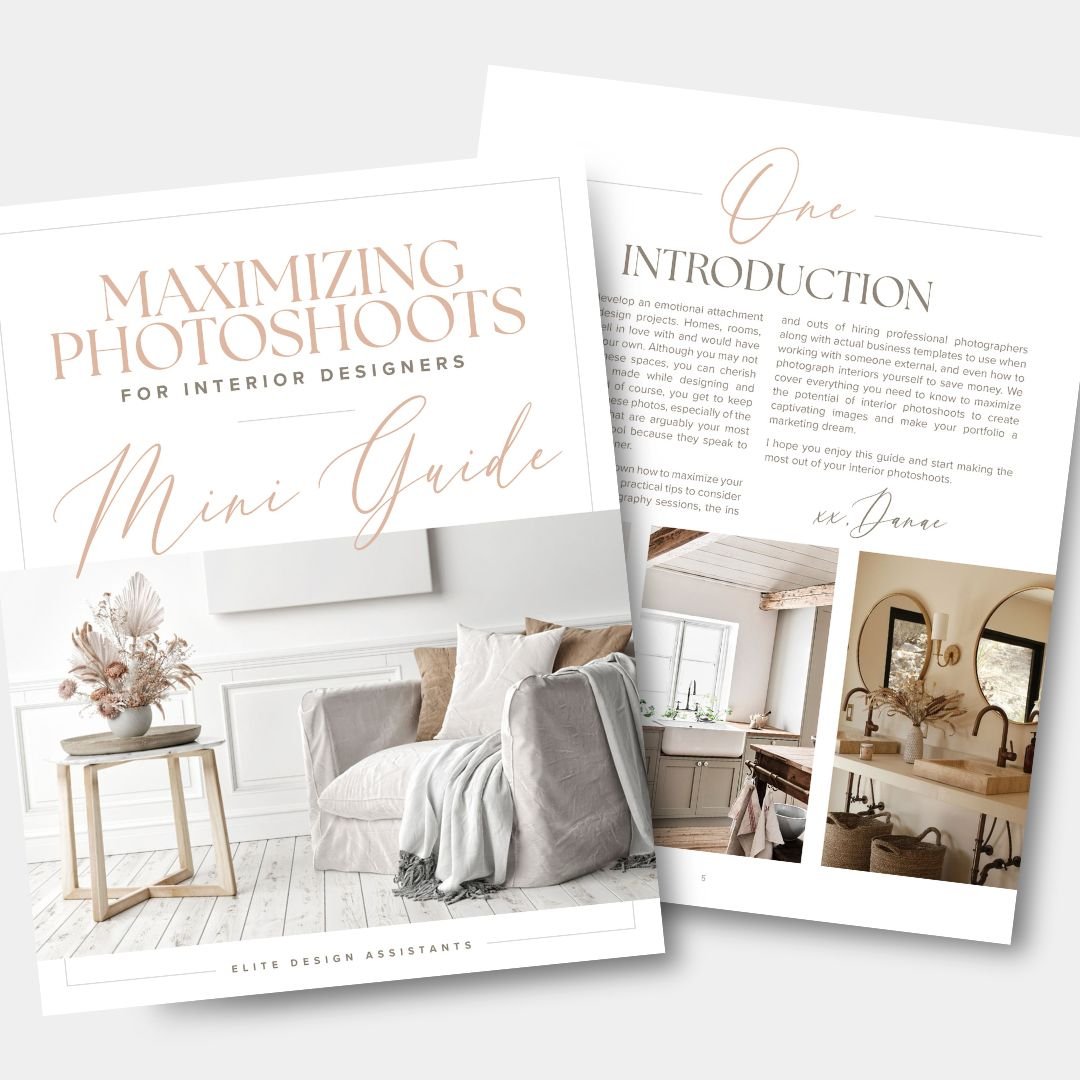
Helpful Tool: Maximizing Photoshoots for Interior Designers Mini Guide

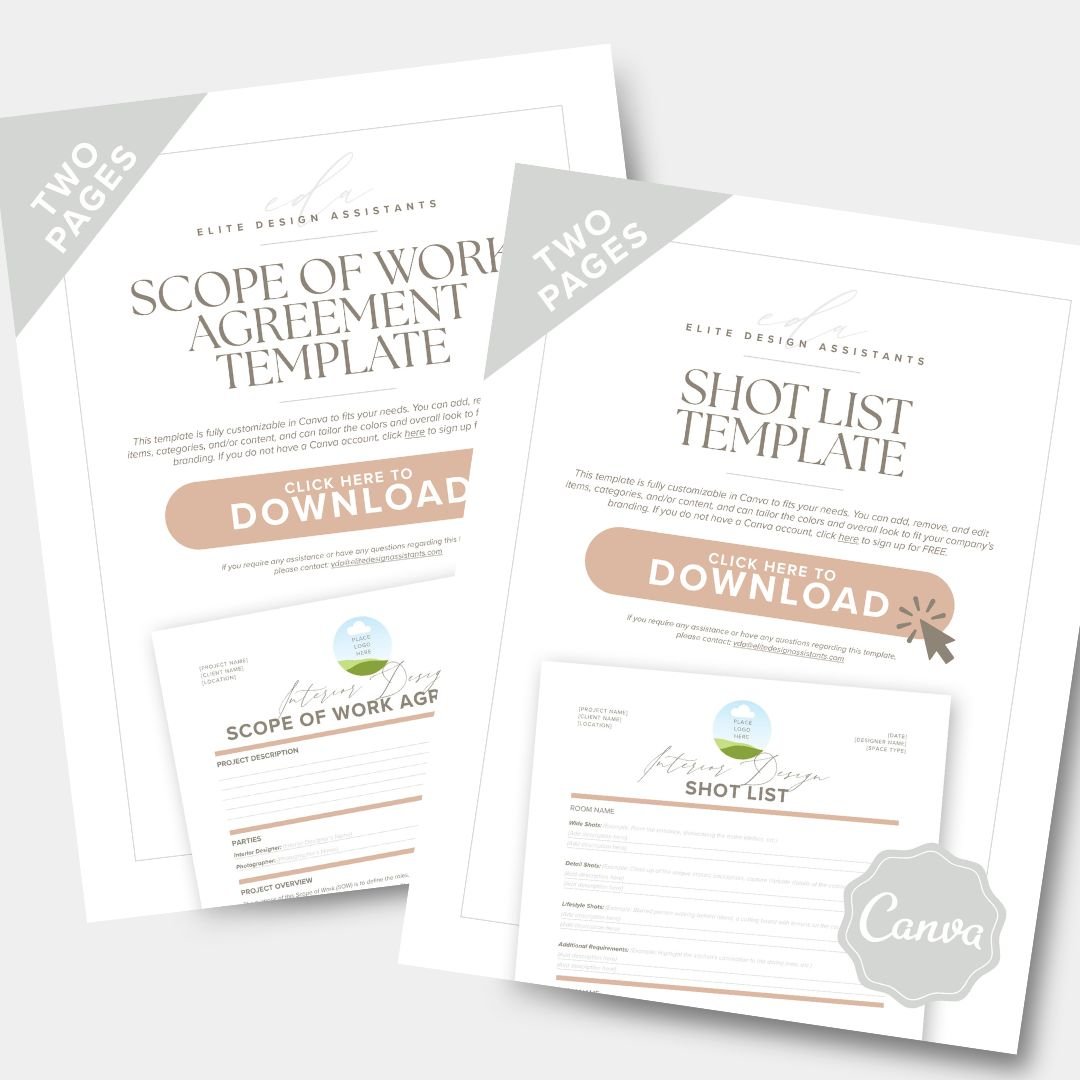
This comprehensive guide provides insider tips and tricks for maximizing photoshoots and capturing stunning images of your interior design projects. From styling tips to camera settings to downloadable business forms you need when hiring photographers, this guide will help you showcase your work and create a portfolio that stands out from the crowd.

BUY NOW

Increasing Social Media Presence:

Social media is a powerful marketing tool for interior designers. Use platforms like Instagram, Pinterest, and Houzz to share photos of your work, engage with followers, and connect with potential clients. Consistency is key, so aim to post regularly and use relevant hashtags to increase your visibility.

Helpful Tool: The Hashtag Handbook for Interior Designers

This handbook is your ultimate guide to mastering hashtags on social media. Learn how to choose the right hashtags to reach your target audience, increase engagement, and grow your following on platforms like Instagram and Pinterest. With these expert tips, you'll be able to elevate your social media presence and attract more clients to your interior design business. This handbook also includes over 300 industry-related hashtags! 

BUY NOW

Utilizing Physical Promotional Items:

In addition to digital marketing, don't underestimate the power of physical promotional items to advertise your interior design business. Branded merchandise like tote bags, mugs, and notebooks can serve as stylish and functional marketing tools that help you stay in the front of your client's mind. 

Helpful Resource: Custom Promotional Items

We partner with a promotional item vendor that can find any items you’re wanting to promote your interior design business. Whether you're looking for stylish tote bags to carry your design samples, chic mugs to gift to clients, or elegant notebooks for jotting down design ideas, we can find it! Follow the link below to take our Promotional Product Questionnaire to figure what items best fit your needs.

TAKE QUESTIONNAIRE

By investing a little time into your marketing and choosing helpful tools and resources that can streamline the process, you don't have to be an expert in marketing, you can continue pursuing your passion - designing beautiful spaces, you just get to show it off a little more. 

Happy Marketing! 

xx, Danae

Designer's Block? Seven Unexpected Places to Find Inspiration

Feeling stuck creatively is often as much about being overwhelmed with options as it is about not knowing where to look. Sure, films, books, magazines, and social media are amazing sources of inspiration, but if you’re experiencing scroll fatigue, it might be time to shake things up a bit. Here are seven less typical sources that could spark that big "aha!" moment for your next interior design project. Let’s jump right in!


1. Flea Markets & Thrift Stores

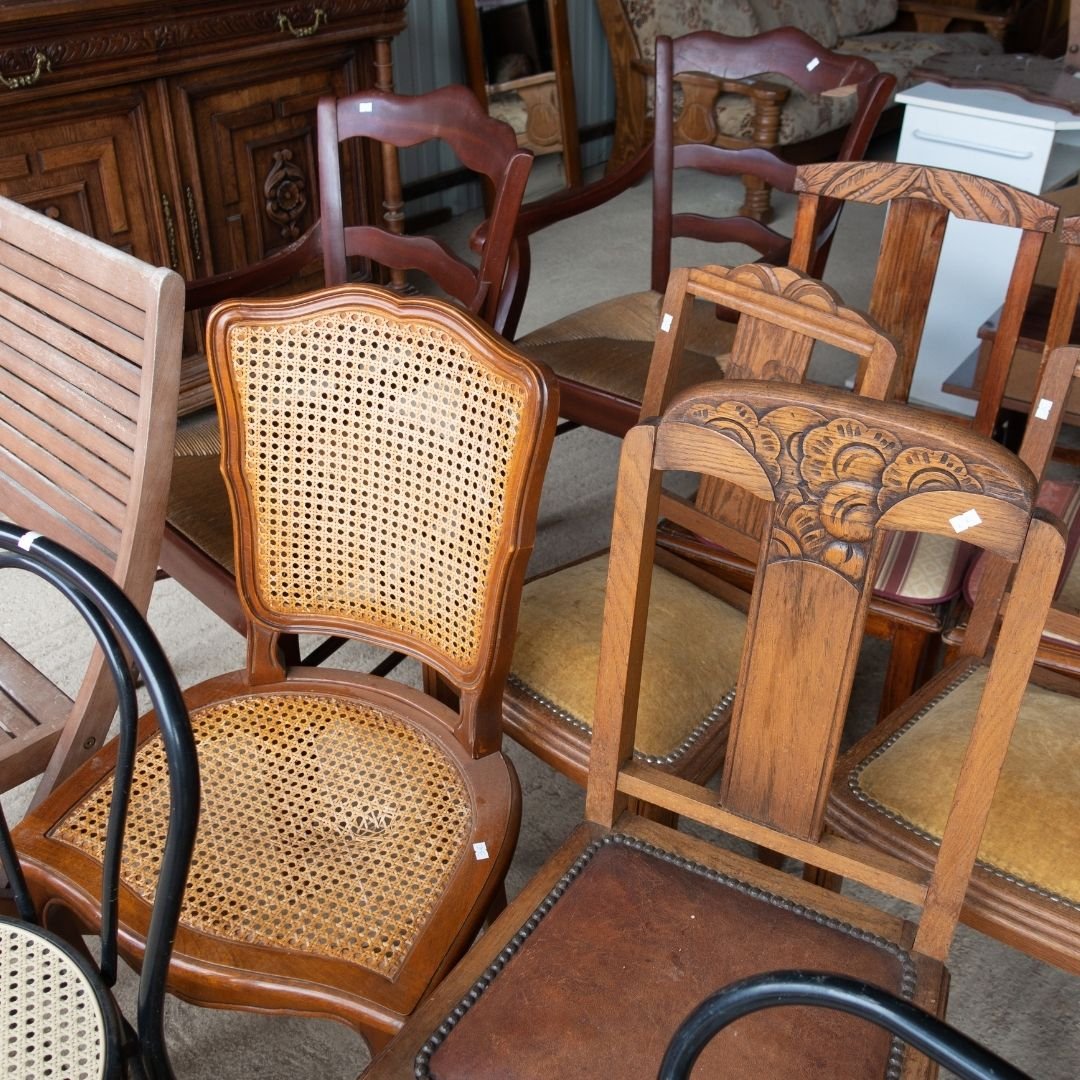
These are settings where each item has that elusive character we all seek to infuse in our designs. Thrift stores and flea markets aren’t just shops, but a challenge to create cohesion out of chaos. Here, a 1920s velvet armchair (granted, it needs some reupholstering), a rustic wooden crate, or a stunning pair of retro wall sconces can serve as the starting point or an accent piece in your designs. It’s all about seeing the potential in the peculiar.


2. Traveling

Sure, we’d all like to be able to take a trip to another continent every time we needed an inspiration boost. There’s nothing quite like being immersed in a whole new setting, but did you know you can use Google Street View to explore the interiors of some spectacular sites, including the Taj Mahal in India or the Palace of Versailles in France?


 3. Museums or Art Galleries

Whether it’s a vibrant painting, a profound sculpture, or even ancient hieroglyphics, these art forms can propel your design thinking forward. How does the color theory in a modernist painting work in a living space? What can the textures of a bronze sculpture bring to a tactile experience in a room? Use these elements as a springboard for your own creations.


4. Graphic Design

Why not let another design discipline inform your work? Graphic design, with its strong emphasis on balance, alignment, and color, can offer fresh perspectives. Explore how a minimalist logo can inspire a sleek, modernist space or how vintage typography could lend a retro feel to a cozy café. The principles of graphic design are versatile and can translate beautifully into spatial arrangements.


5. Fashion Shows

It’s no secret that fashion and interior design are intertwined, each influencing the other with trends, textures, and techniques. So look beyond the clothes in a fashion show (or in Vogue) and think about the stories the fabrics and styles can tell in a space. That swath of iridescent tulle? Picture it as a sheer curtain catching the light in a sunny room. The bold geometric patterns on a coat? Imagine that as a vibrant rug tying a room together. You may also find inspiration in the runway sets themselves!


6. Haute Cuisine Plates

Ever considered a chef’s plating in a Michelin-star restaurant as a muse for your design? The artistry involved in haute cuisine—from the color palette to the texture of ingredients—can provide unexpected creative cues. Don't know what color to pair with a black wall? How about a sprinkle of vibrant paprika?


 7. Nature

There’s no better designer than Mother Nature, from the famous Golden Spiral to the patterns on a butterfly’s wings. But again, don’t just scroll…stroll! Whether you take a hike and practice forest bathing for an immersive experience, get totally mesmerized by the spotted fish at the aquarium, the windy pathways and flowers at a botanical garden, or the organic shapes at the Natural Science Museum, let nature’s beauty inspire you.


So, next time you feel like you’re in a creative design rut, stop what you’re doing, look away from your screen for a moment, and think about where you might like to visit for inspiration–whether you can get up and go somewhere or it’s back on your computer (but intentionally)! Remember that the world is full of weird and wonderful things that can transform a bland space into something spectacular. And you can connect with those endless possibilities when you slow down and switch gears. Who knows where your next great idea will come from? Happy exploring!

xx, Danae

6 Interior Design Risks Worth Taking

Do you tend to play it safe as an interior designer? That’s a fantastic quality to have in many situations. For example, you wouldn't dream of leaving budgets, timelines, or contract clauses up to chance. But growing your business and crafting outstanding designs means knowing when to stick to the rules and when to throw the playbook out the window. Here are six times it’s worth taking a risk, both in running your design business and your designs themselves.

On the Business Side

1. Specializing in a Niche Market

The prospect of narrowing your focus might initially seem counterintuitive, risking the alienation of a broader client base. But here’s the thing - carving out a niche for yourself actually helps you stand out to the perfect clients. Being known as the go-to person for, say, eco-friendly spaces or high-tech offices? That’s gold.

2. Charging for Consults

Asking for money right out the gate can feel awkward and awaken imposter syndrome. But this strategy serves a dual purpose. It underscores the value you bring to the table, ensuring clients are invested from the get-go, and sifts through to serious inquiries, saving you precious time and energy.

 3. Delegating to an Assistant

Letting go of the reins a bit and delegating doesn’t have to mean losing your vision in the mix. It means you get to focus more on design and less on the nitty-gritty. And who knows? An assistant might just bring fresh ideas and energy to the table.

In Your Designs

4. Incorporating Vintage Items

Sure, sticking to the latest trends from popular stores might seem like the safe choice, but sprinkling your designs with a few choice vintage pieces? That's where the magic happens, adding layers of depth and story to a space.

5. Unusual Color Combinations

Neutrals and played-out color combos feel safe, but throwing in an unexpected pop of color can turn a room from "just nice" to "wow". Think a splash of neon in a sea of pastels or a dark, moody wall in a room full of brights.

6. Mixing Patterns and Materials

Yes, there's a fine line between eclectic harmony and chaotic clashes when it comes to blending textures, patterns, and materials. But with a discerning eye, the combination of different woods, metals, fabrics, and more can create a sensory feast.

Taking Smart Risks

So, how do you dive into these risks without sinking? It all starts with having a solid base—like a well-oiled workflow—and then setting aside a little playground for creativity. Allocate a portion of each project's timeline just for trying out new things. This way, you're not running off course; you're exploring potential within reason. Getting your hands on physical samples and leveraging 3D renders lets you test-drive your daring ideas before going all in. And when you're eyeing those bigger business moves? Start small. Do a bit of research into the market, and maybe even chat with a business guru. It's all about smart risks that let your creativity—and your business—soar.

Ultimately, the essence of interior design thrives on creativity, innovation, and a touch of daring. While risks come with their own set of fears and potential setbacks, they also open doors to breakthroughs and professional wins. Maybe the question isn't whether you can afford to take these risks, but rather, can you afford not to?

xx, Danae

Save Time with Our Prewritten Content Templates for Interior Designers

In the world of interior design, time is precious. As a designer, you want to focus on bringing your clients' visions to life, not spending hours agonizing over blog posts and email content. That's where our prewritten content templates come in. We've curated 26 templates specifically tailored to interior designers, ready to be copied, pasted, and customized to fit your brand and business. Let's take a closer look at each template and how they can elevate your online presence effortlessly.

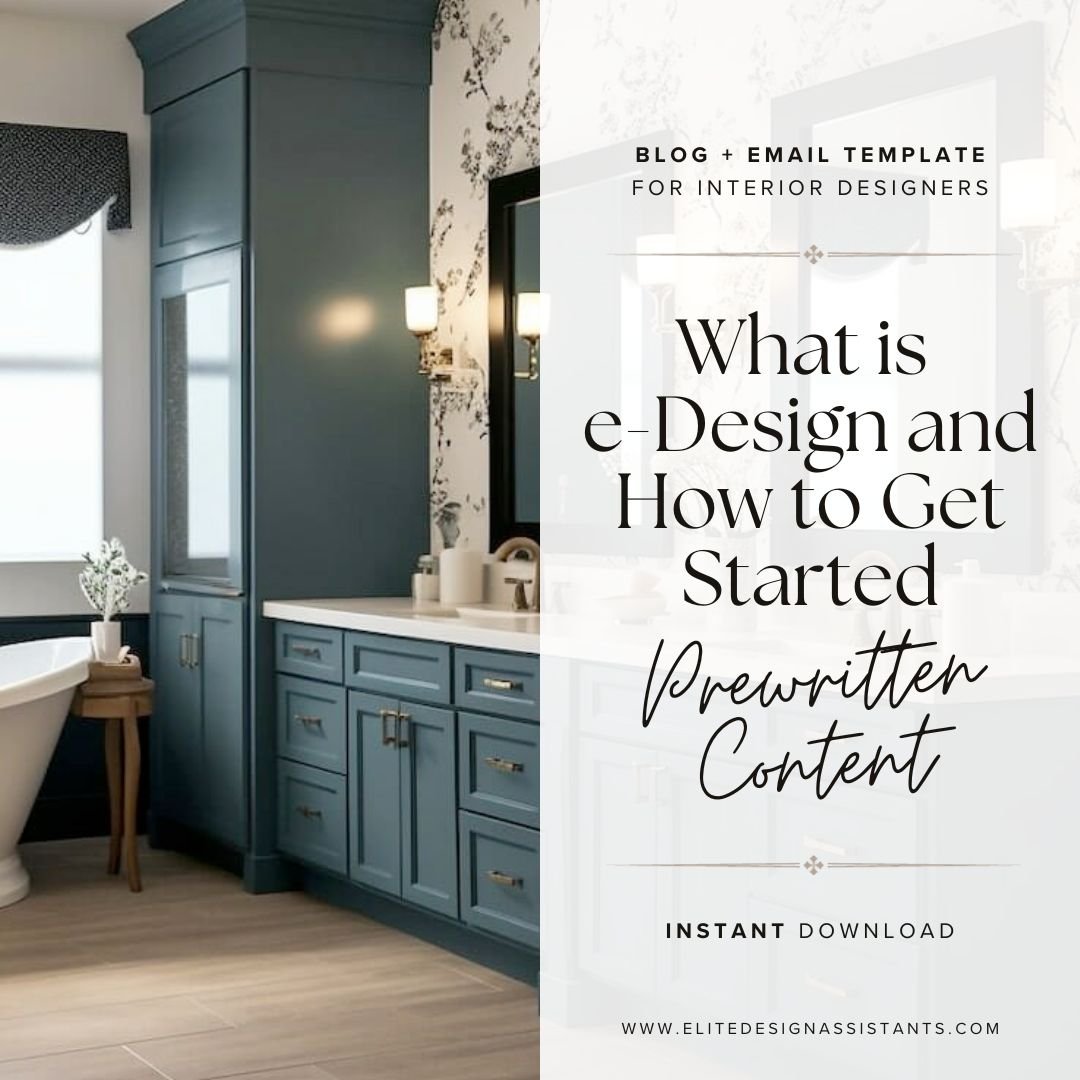
What is e-Design and How to Get Started

Explore the world of e-Design and learn how to seamlessly integrate it into your business model, opening up new opportunities for remote collaboration with clients.

BUY NOW

How to Add More Luxury to Your Home

Discover tips and tricks for infusing luxury into any space, from opulent fabrics to decadent accessories, and elevate your design game.

BUY NOW

How to Arrange a Gallery Wall

Master the art of gallery wall arrangements with step-by-step instructions and design principles to create visually stunning focal points in any room.

BUY NOW

Where to Buy Artwork and Accessories

Navigate the vast landscape of art and accessories vendors, uncovering hidden gems and trusted suppliers to elevate your design projects.

BUY NOW

How to Work Remotely with an Interior Designer as a Real Estate Investor

Learn how real estate investors can benefit from working with remote interior designers, maximizing property value and tenant satisfaction.

BUY NOW

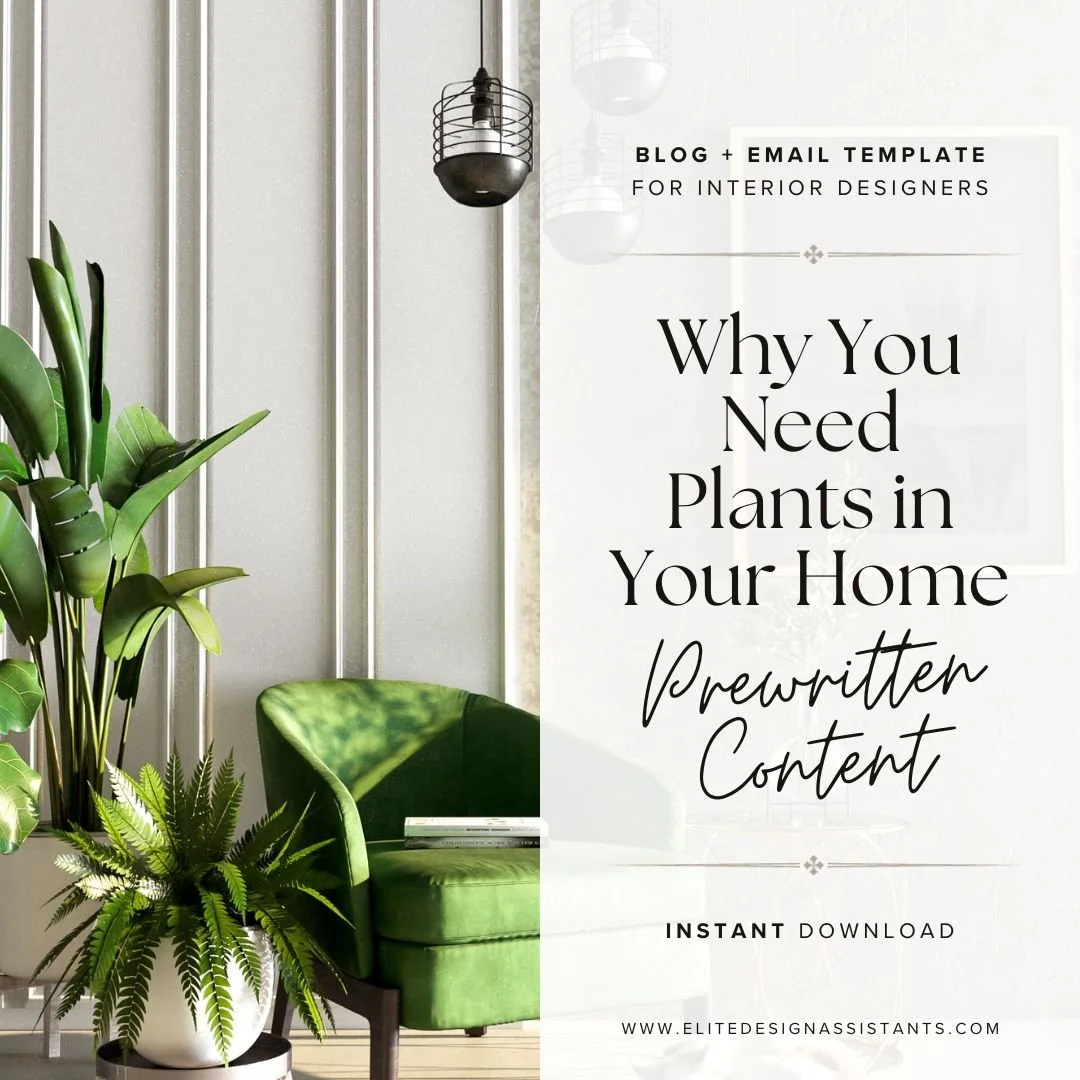
Why You Need Plants in Your Home

Delve into the world of biophilic design and discover the myriad benefits of incorporating plants into your interior spaces, from improved air quality to enhanced well-being.

BUY NOW

Timeless Kitchens and Baths

Uncover timeless design principles for kitchens and baths that transcend trends, creating spaces that stand the test of time and delight clients for years to come.

BUY NOW

How to Choose the Right-Sized Rug

Master the art of rug selection with practical tips and guidelines to ensure the perfect fit for any space, enhancing comfort and visual appeal.

BUY NOW

Thank You for Subscribing

Craft the perfect thank-you message for new subscribers, fostering a sense of appreciation and engagement from the moment they join your community.

BUY NOW

Latest Design Trends for Current Times

Stay ahead of the curve with insights into the latest design trends shaping the industry, inspiring fresh ideas and innovative solutions for your projects.

BUY NOW

How to Choose the Right Paint Sheen

Navigate the world of paint finishes with confidence, understanding the characteristics of each sheen and how to choose the perfect one for your design scheme.

BUY NOW

Is Hiring an Interior Designer Worth It

Address common misconceptions and demonstrate the value of hiring an interior designer, empowering potential clients to make informed decisions about their design projects.

BUY NOW

How to Choose the Right Paint Color

Unlock the secrets of color theory and learn how to select the perfect paint colors to achieve your desired aesthetic and ambiance.

BUY NOW

New Standards of Working Together

Explore evolving industry standards and best practices for collaboration between designers, clients, and other stakeholders in today's digital landscape.

BUY NOW

Client Review Request

Craft a compelling request for client reviews, leveraging positive feedback to enhance your reputation and attract new business opportunities.

BUY NOW

Popular Styling Pieces

Highlight must-have styling pieces that add personality and flair to any interior space, inspiring clients to invest in statement-making decor elements.

BUY NOW

How to Hang Curtains

Demystify the process of curtain hanging with practical tips and techniques for achieving perfect drapery installations every time.

BUY NOW

5 Easy Steps to Update Your Living Room

Transform any living room with five simple yet impactful updates, breathing new life into tired spaces and delighting clients with fresh design concepts.

BUY NOW

How to Style a Console Table

Unlock the potential of console tables as versatile design elements, mastering the art of styling to create captivating vignettes that enhance any room.

BUY NOW

Stylish Outlet and Switch Plate Covers

Elevate the often-overlooked details of outlet and switch plate covers with stylish alternatives that seamlessly integrate into your design scheme.

BUY NOW

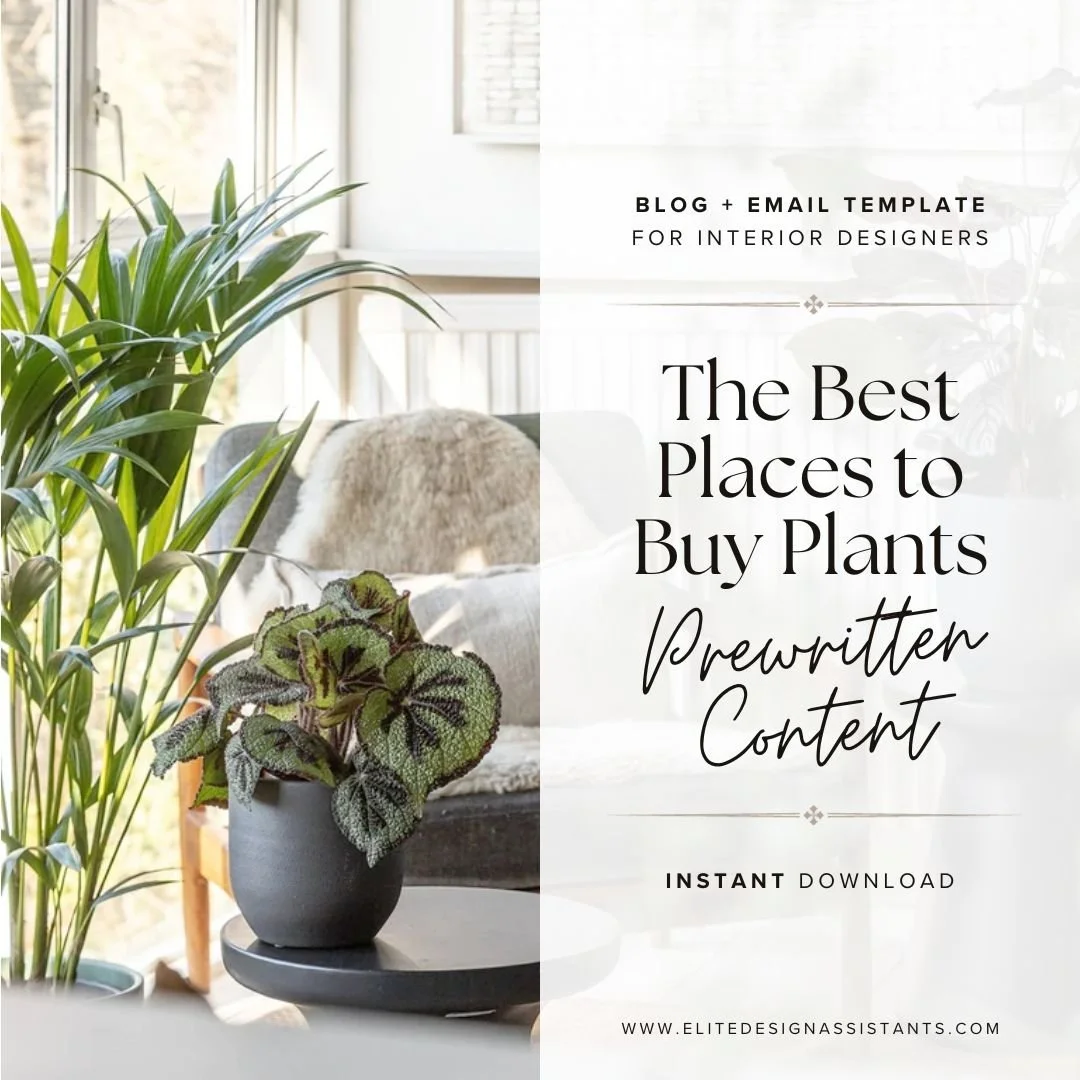
The Best Places to Buy Plants

Discover top destinations for sourcing quality plants and greenery, ensuring access to premium botanicals for your design projects.

BUY NOW

Finishing Touches to Complete Any Room

Explore the transformative power of finishing touches, from decorative accents to functional elements, that elevate interior spaces to new heights of sophistication.

BUY NOW

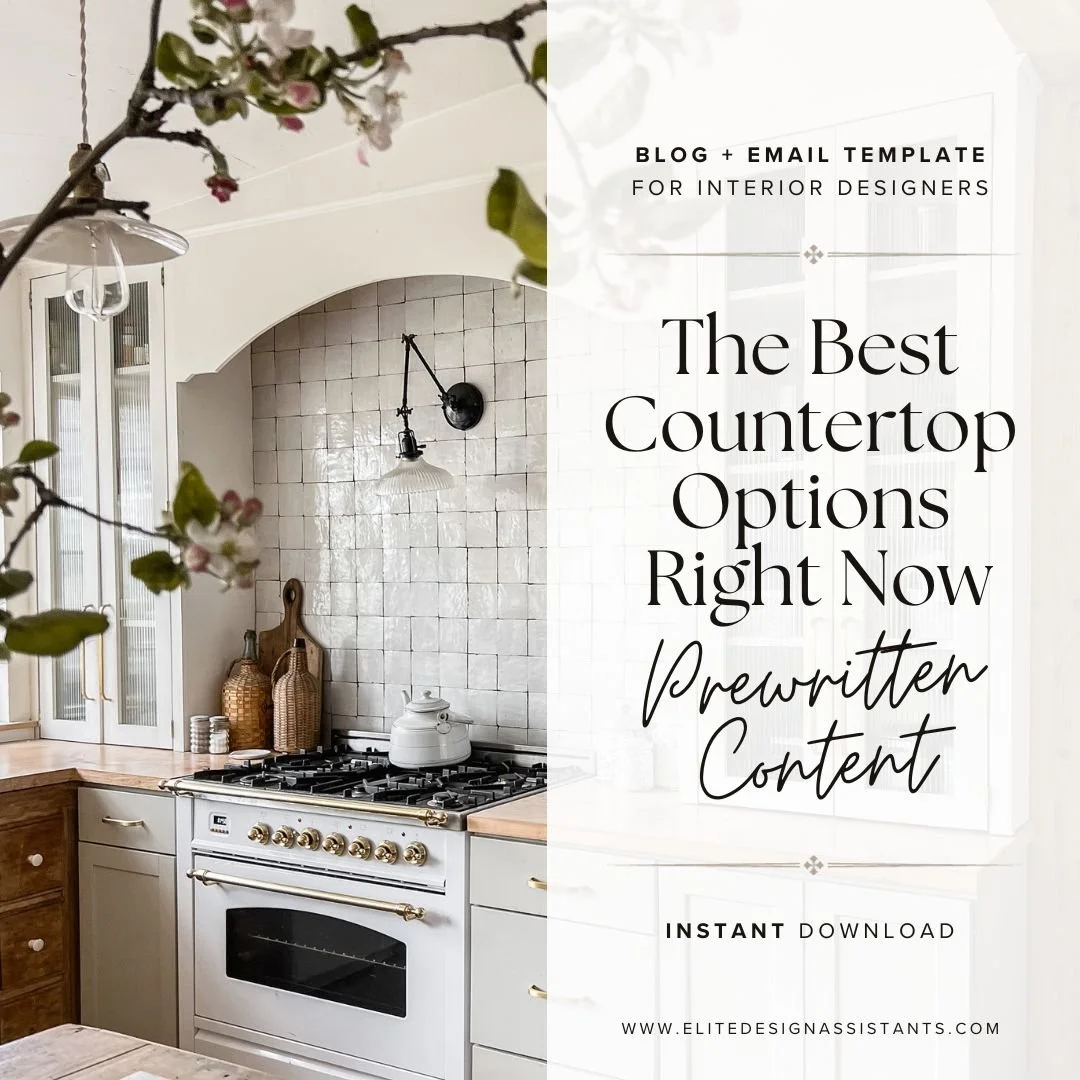
The Best Countertop Options Right Now

Stay informed about the latest countertop materials and trends, guiding clients towards durable, stylish options that meet their design and lifestyle needs.

BUY NOW

Fabric 101

Dive into the world of fabrics with a comprehensive guide to different types, textures, and uses, empowering you to make informed decisions about upholstery and soft furnishings.

BUY NOW

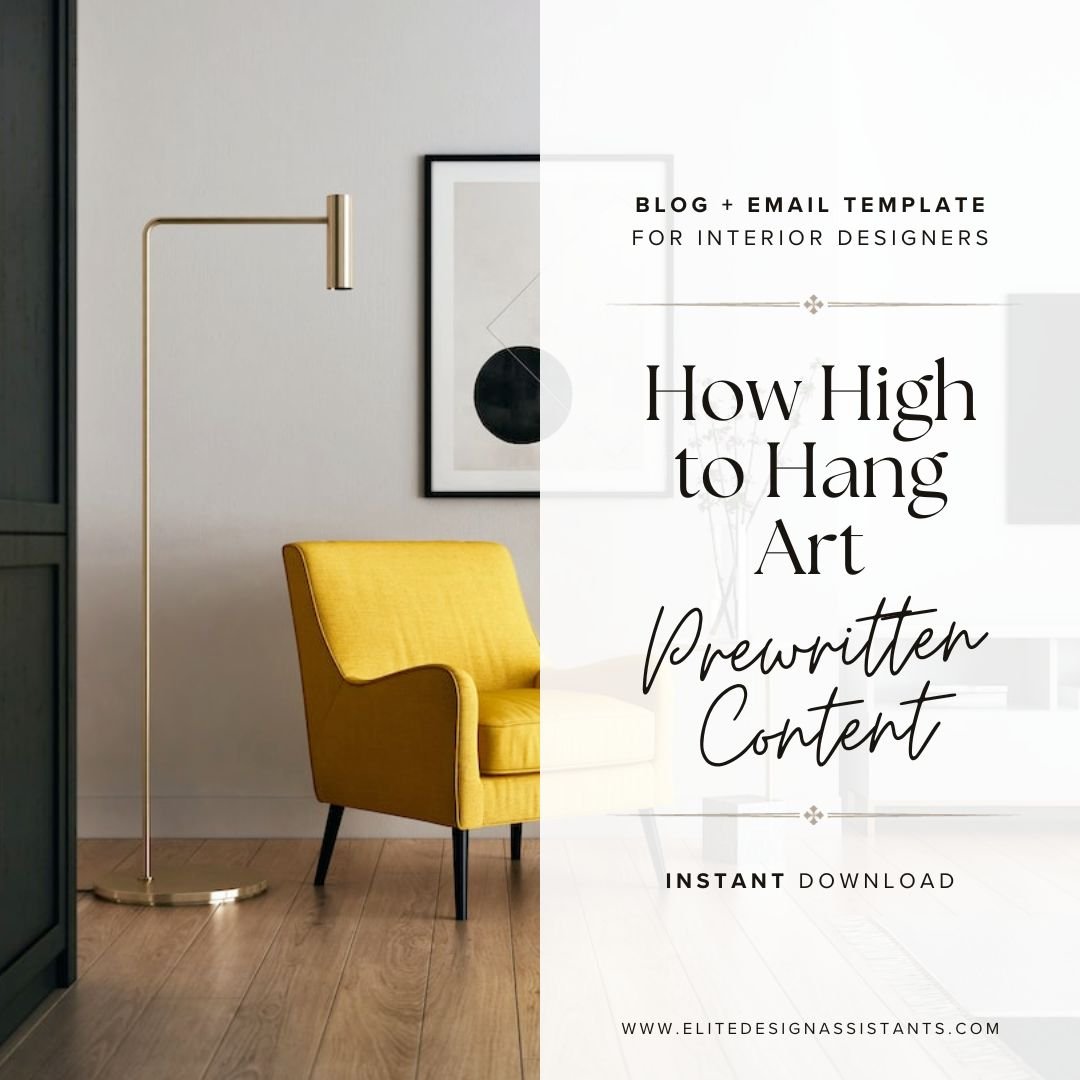
How High to Hang Art

Master the art of art placement with expert guidance on the optimal height for hanging artwork, ensuring maximum impact and visual harmony in any space.

BUY NOW

How to Select Window Coverings

Navigate the myriad options for window coverings with confidence, from curtains to blinds, discovering the perfect solutions to enhance privacy, light control, and aesthetics.

BUY NOW
 

Our prewritten content templates are more than just ready-made resources – they're invaluable tools that save you time, spark creativity, and elevate your online presence. Whether you're a seasoned pro or just starting out, our templates are fully customizable to fit your niche and aesthetic, ensuring that your brand shines through in every blog post and email. Keep your customers informed and intrigued, and let your passion for design shine with our effortlessly accessible templates. Unlock your creativity today!

Check out all of these templates here:

BROWSE ALL TEMPLATES

Happy Designing!

xx, Danae

Branding for Designers: 8 Ways to Stand Out in 2024

Where trends evolve and consumer preferences shift (faster than ever), establishing a distinct brand has never been more crucial. As we’re well into 2024, the importance of branding in setting interior designers apart in a crowded marketplace cannot be overstated. Here are some insightful tips and methods to enhance your branding and make a mark this year.

1. Incorporate Hand-Drawn Elements

In an era starved for simplicity and authenticity, incorporating hand-drawn elements into your branding can add a raw, personal touch that resonates with clients. This reflects a comforting appeal of simpler times but also demonstrates your brand's inclination toward personal connection. Consider integrating your signature or bespoke doodles that represent your design ethos into your website or social media to foster a more human and relatable brand image​.

2. Focus on Authenticity

Along those lines, today's consumers value realness and relatability above cold, hard perfection. Now it’s essential for brands to adopt a transparent and genuine communication style. Embracing natural language, showcasing real-life scenarios, adding in a bit of humor, and highlighting diversity can enhance your brand's relatability and appeal. This approach builds trust and a loyal community around your brand.

3. Introduce Elements of Surprise

In 2024, successful brands are going above and beyond visual appeal and focusing on creating tactile experiences that evoke delight and surprise. Consider a textured business card, folders with a fun closure, a physical logo stamp, or even just interactive elements on your website to engage your clients in a dynamic and memorable manner.

4. Leverage Animation

And no, I’m not talking about turning your site into a Saturday morning cartoon. Sprinkling a bit of animation across your digital spaces can really wake up your online vibe. Think subtle movements when someone hovers over a button, or fun videos that play as they scroll. It's all about making your website and socials a bit more dynamic, so people enjoy the experience and stick around longer.

5. Use AI Responsibly

AI is somewhat of a divisive topic, but it’s only gaining traction, including in the interior design field. Whether you use ChatGPT to help you write copy or Midjourney to create stunning images, it’s best to be transparent about it. Avoid directly using AI-generated text, as it may lack a natural tone, which can feel off-putting to potential clients. Always infuse your content with a personal touch to ensure authenticity and connection. This responsible approach will help maintain trust and credibility with your audience.

6. Forge Strategic Content Partnerships

Working with influencers, bloggers, and other design pros can be a big win for your interior design business. It’s a smart way to get your brand in front of more eyes and make your work more relatable through genuine endorsements. Mixing it up with different types of collabs like joint blog posts, guest spots on podcasts, social media takeovers, or team design projects can really spice things up. Just have a game plan for what you want out of these partnerships—be it more visibility, reaching fresh audiences, or just flexing your creative muscles a bit more.

7. Captivate with Video Marketing

Recently, video content has really taken off and it's a game-changer. Show off your designs through walkthroughs, design process clips, or testimonials from your happy clients. Videos that show you, the face behind the masterpiece, is by far the most effective way to connect with your audience. Then, just share your videos everywhere – think Instagram, your website, or in a newsletter. It's all about making you and your designs feel real, relatable, and right there within reach.

8. Secure Your Spot on Emerging Platforms

You know how it goes: some platforms are here today, gone tomorrow, while others suddenly take off. With places like Instagram's Threads and TikTok getting buzz, it's smart to lock down your ideal business username now. That way, you're ready to roll if they become the next big thing. You can't be everywhere at once, but having your spot saved means you won't miss out when the time comes.

In the end, standing out in the interior design scene isn't always just about following trends; it's about crafting experiences that resonate. From the personal touches in your branding to the strategic use of tech and collaborations, it's these elements that will set you apart. Keep pushing the boundaries, and let's make your interior design brand the one everyone talks about in 2024.

xx, Danae

Interior Design Trivia: How Many Can You Answer Correctly?

This is it! Your opportunity to geek out and show off your interior design knowledge. Pull up a chair with a designer friend and grab a pen to note down your answers. And don’t worry! This is a multiple-choice quiz. From trends to industry jargon to design icons, let’s see how many questions you can get correct! The answers await at the end of the quiz–no jumping ahead and good luck!

1. The first known use of interior design was in which ancient civilization?
A) Roman
B) Egyptian
C) Mesopotamian
D) Greek

2. In interior design, what does the acronym FF&E stand for?
A) Form, Function & Elegance
B) Furniture, Fixtures & Equipment
C) Fashion, Form & Essentials
D) Flooring, Finishes & Embellishments

3. What was the first magazine solely dedicated to interior design?
A) Architectural Digest
B) Elle Decor
C) House Beautiful
D) The World of Interiors

4. What is the principle of design that refers to the visual weight distribution in a space?
A) Symmetry
B) Balance
C) Rhythm
D) Harmony

5. Which type of rug is traditionally handwoven in Morocco, known for its geometric designs and plush texture?
A) Persian Rug
B) Kilim Rug
C) Berber Rug
D) Shag Rug

6. Who is considered the father of modern architecture and design?
A) Frank Lloyd Wright
B) Le Corbusier
C) Marcel Breuer
D) Charles Eames

7. What does the term 'Biophilic Design' emphasize?
A) Use of sustainable materials
B) Incorporation of technology
C) Connection to nature
D) Historical architecture

8. Who designed the iconic Egg Chair?
A) Eero Saarinen
B) Arne Jacobsen
C) Harry Bertoia
D) Charles and Ray Eames 

9. What is a cantilever in the context of furniture design?
A) A type of legless chair supported at one end
B) A decorative bracket
C) A type of table with a single, central foot
D) A shelving unit attached directly to the wall 

10. Which term refers to a small, luxurious room designed for reading and relaxation?
A) Conservatory
B) Boudoir
C) Snug
D) Nook

11. Which designer is credited with the creation of the Wassily Chair, one of the first pieces of tubular steel furniture?
A) Ludwig Mies van der Rohe
B) Marcel Breuer
C) Alvar Aalto
D) Eileen Gray 

12. 'Feng Shui' is a practice originating from which country?
A) Japan
B) China
C) South Korea
D) Thailand 

13. The 'Chesterfield' is a type of what?
A) Sofa
B) Lamp
C) Rug
D) Coffee table

14. Which interior designer is famous for saying, "More is more and less is a bore"?
A) Joanna Gaines
B) Iris Apfel
C) Philippe Starck
D) Kelly Wearstler

15. What design movement is the 'Sputnik Chandelier' a symbol of?
A) Art Nouveau
B) Mid-Century Modern
C) Victorian
D) Art Deco

16. What does 'VOC' stand for in eco-friendly interior design?
A) Variety of Colors
B) Verification of Compliance
C) Volatile Organic Compounds
D) Visual Optical Clarity

17. The 'Roaring Twenties' influenced which interior design style?
A) Modernism
B) Art Deco
C) Victorian
D) Bauhaus

18. Which architect famously lived in a house with no right angles, believing they were unnatural?
A) Zaha Hadid
B) Antoni Gaudí
C) Frank Gehry
D) Renzo Piano

19. "Memphis Design" emerged in which city?
A) Memphis, USA
B) Milan, Italy
C) Paris, France
D) Tokyo, Japan

20. What is the most expensive furniture piece ever sold?
A) The Dragon Chair by Eileen Gray
B) The Badminton Chest
C) The Tufft Table
D) Ruijssenaars Magnetic Floating Bed

Ready to see how you did? Here’s the answer key below:

ANSWERS: 1B; 2B; 3C; 4B; 5C; 6A; 7C; 8B; 9A; 10C; 11B; 12B; 13A; 14B; 15B; 16C; 17B; 18B; 19B; 20B

So, how did you fare? Whether you're now basking in the glow of your expertise or adding a few new gems to your knowledge bank, it's clear that there is always more to learn in this industry. I hope you’ve enjoyed this little game of trivia. Thank you for joining in on the fun!

xx, Danae

Enhance Your Interior Design Portfolio: Introducing Our Maximizing Photoshoots Mini Guide for Interior Designers!

Are you an interior designer looking to take your portfolio to the next level? Look no further! We're thrilled to announce the launch of our latest resource: the Maximizing Photoshoots Mini Guide for Interior Designers. In this comprehensive guide, we're sharing insider tips and expert advice on how to make the most out of your photoshoots and showcase your designs in the best possible light, no pun intended!

Why is a photoshoot so important for interior designers, you ask? Well, stunning photography can make all the difference when it comes to attracting clients and showcasing your talent. A well-executed photoshoot not only captures the essence of your design but also highlights the craftsmanship and attention to detail that sets your work apart.

So, what can you expect to find in our Maximizing Photoshoots Mini Guide? Let's take a sneak peek:

  1. Preparation is Key: Learn how to prepare your space for a photoshoot, from decluttering and styling to optimizing lighting and angles. We'll walk you through the essential steps to ensure your designs shine on camera.

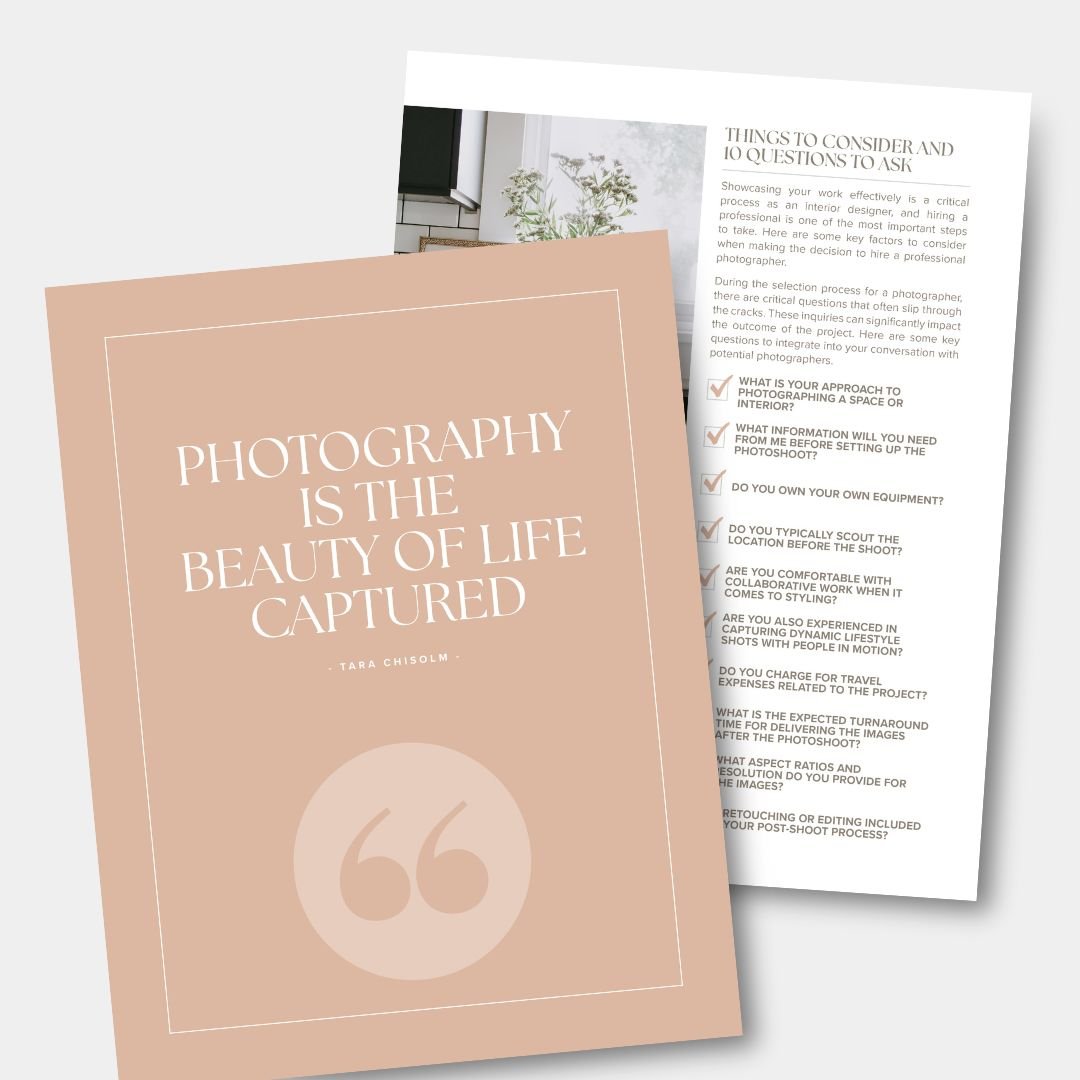
  2. Collaborating with Photographers: Discover how to find the right photographer for your project and establish a successful collaboration. We'll share tips on communication, budgeting, and creative direction to achieve the perfect shots.

  3. Styling for Success: Get insider tips from seasoned stylists on how to style your designs for maximum impact. From selecting props and accessories to arranging furniture and decor, we'll help you create visually stunning compositions that tell a story.

  4. Post-Production Perfection: Learn the secrets of post-production editing to enhance your photos and showcase your designs in the best possible light. We'll cover everything from color correction and retouching to cropping and formatting for print and digital use.

  5. Marketing Your Masterpieces: Once you have your stunning photos in hand, it's time to share them with the world! Discover effective strategies for leveraging your photography to attract clients, build your brand, and grow your interior design business.

Ready to elevate your interior design game? Our Maximizing Photoshoots Mini Guide for Interior Designers has everything you need to master the art of photoshoots and showcase your designs like never before. Don't miss out—grab your copy today and get ready to dazzle the world with your talent and creativity!

BUY NOW

Happy photographing!

xx, Danae